
The CBD industry has undergone a remarkable transformation over the past decade. What once began as a niche market centered around simple tinctures has evolved into a diverse ecosystem of products designed for convenience, personalization, and modern lifestyles. As consumer awareness grows and preferences shift, CBD brands continue to innovate, offering new ways to incorporate cannabidiol into daily routines.
Early Days of CBD Oils
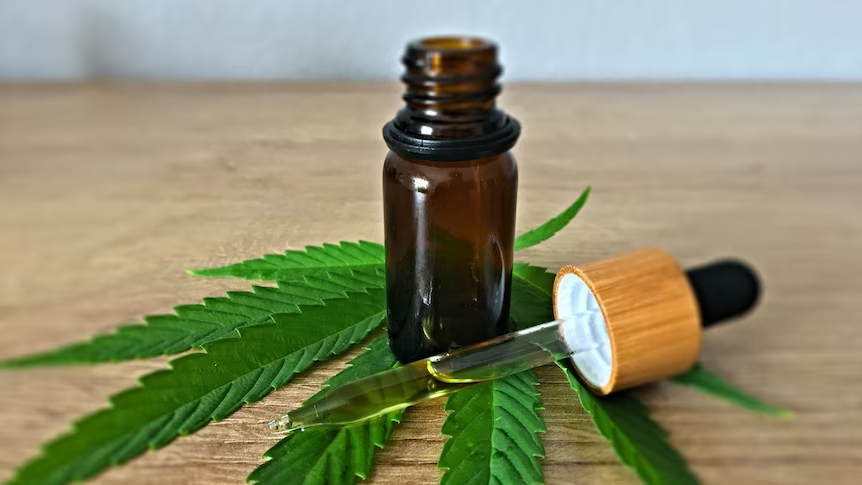
In its earliest phase, CBD was primarily available in oil form. These tinctures were often packaged in small bottles with droppers, allowing users to measure doses manually. While effective, they required a level of familiarity and patience that not all consumers possessed. The taste was another challenge, as natural hemp extracts often carried an earthy flavor that many found unpleasant.
Despite these limitations, CBD oils laid the foundation for the industry. They introduced consumers to the potential benefits of cannabidiol and helped establish trust in plant based wellness solutions. At the time, navigating information about CBD felt as complex as browsing unfamiliar portals like sewayogan up.nic.in, where clarity was not always immediate.
The Rise of Edibles and Capsules
As demand increased, manufacturers began exploring more accessible formats. Edibles such as gummies quickly gained popularity due to their ease of use and appealing taste. Capsules also emerged as a preferred option for those seeking precise dosing without the flavor concerns associated with oils.
These formats marked a significant shift in consumer behavior. Instead of viewing CBD as a medicinal supplement, people began incorporating it into their daily wellness routines. The experience became more enjoyable and less clinical, attracting a broader audience.
Topicals and Targeted Applications
Another major milestone in the evolution of CBD products was the introduction of topicals. Creams, balms, and lotions infused with CBD allowed users to apply the compound directly to specific areas of the body. This innovation opened new possibilities for localized relief and skincare applications.
Topicals also aligned with the growing demand for self care products. Much like the attention given to aesthetic details such as royal back hand mehndi design, consumers began valuing products that combined functionality with sensory appeal. CBD infused skincare products now often include soothing scents and luxurious textures, enhancing the overall experience.
Beverages and Functional Wellness
The next wave of innovation brought CBD into the beverage industry. From sparkling waters to herbal teas and coffee blends, CBD infused drinks have become a staple in wellness circles. These products offer a convenient and socially acceptable way to consume cannabidiol, integrating seamlessly into everyday habits.
Functional beverages also reflect a broader trend toward holistic health. Consumers are increasingly seeking products that support relaxation, focus, and balance without disrupting their routines. The simplicity of sipping a CBD drink can feel as satisfying as mastering a task like learning to draw perfect circle with precision and ease.
Advanced Delivery Systems
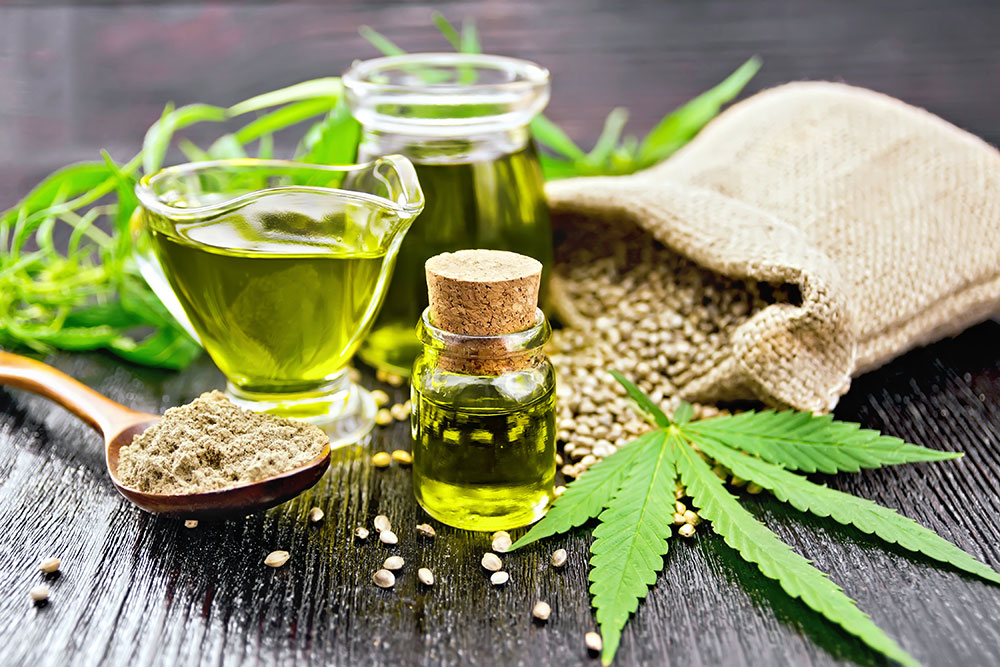
Technology has played a crucial role in shaping modern CBD products. Nano emulsification and other advanced delivery methods have improved bioavailability, allowing the body to absorb CBD more efficiently. This means users can experience faster and more consistent effects.
In addition, innovative formats such as sublingual strips, inhalers, and dissolvable powders are redefining convenience. These options cater to diverse preferences and lifestyles, ensuring that CBD remains accessible to a wide range of users.
Lifestyle Integration and Branding
As the market matures, branding and storytelling have become essential components of CBD products. Companies are no longer just selling cannabidiol; they are promoting a lifestyle. Packaging, design, and messaging now play a significant role in influencing consumer choices.
Digital platforms and content hubs, including sites like anfieldedition.net, have contributed to the spread of information and trends within the industry. Consumers today are more informed and selective, often choosing products that align with their values and personal identity.
Challenges and Quality Standards
Despite its growth, the CBD industry continues to face challenges. Regulation varies across regions, and maintaining consistent quality remains a priority. Transparency in sourcing, third party testing, and clear labeling are essential for building consumer trust.
At the same time, misinformation can still create confusion. Just as navigating technical tools like sfm complie may require guidance, understanding CBD products often demands reliable education and awareness. Brands that prioritize honesty and clarity are more likely to succeed in this evolving landscape.
The Future of CBD Innovation
Looking ahead, the future of CBD products appears promising. Continued research is expected to unlock new applications and refine existing formulations. Personalization will likely play a larger role, with products tailored to individual needs and preferences.
Sustainability is another emerging focus. As consumers become more environmentally conscious, brands are exploring eco friendly packaging and ethical sourcing practices. This shift reflects a broader commitment to responsible innovation.
The evolution of CBD products demonstrates how an industry can adapt and thrive in response to changing consumer demands. From traditional oils to cutting edge formats, CBD has become an integral part of modern wellness culture.
Conclusion
The journey of CBD from simple tinctures to innovative, lifestyle driven products highlights the power of adaptability and creativity. Each stage of its evolution has brought new opportunities for consumers to engage with cannabidiol in ways that suit their needs. As technology advances and awareness continues to grow, CBD products will likely become even more refined and diverse. What remains constant is the industry’s commitment to improving accessibility, enhancing user experience, and redefining how wellness is approached in everyday life.